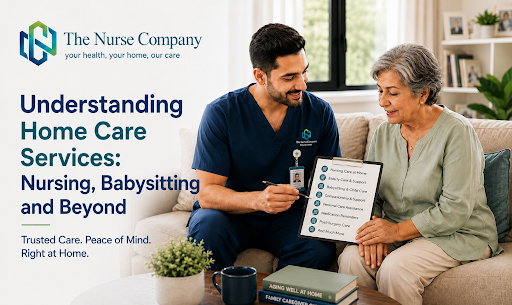
Home care is one of those terms that means different things to different people. For one family, it might mean a nurse visiting daily to manage a parent’s medication. For another, it might mean a trained caregiver looking after a newborn overnight so exhausted new parents can sleep. The category is broad, and understanding what falls under it makes it far easier to find the right kind of support when you actually need it.
This guide breaks down the main types of home care services available today, what each one typically involves, and how to think about which one fits your situation.
Home Nursing Services
Home nursing service refers to medical care delivered in a patient’s own home rather than in a hospital or clinic. This can include wound care, injections, IV therapy, post-surgical recovery support, chronic disease management, and monitoring for patients recovering from illness or procedures.
The appeal is straightforward. Hospitals are necessary for acute treatment, but recovery often goes more smoothly in a familiar environment, without the noise, disrupted sleep, and infection risk that come with an extended hospital stay. A qualified nurse visiting at scheduled times, or staying for extended shifts when needed, allows patients to recover comfortably while still receiving proper clinical oversight.
Families often turn to home nursing after a hospital discharge, when a loved one needs support that goes beyond what family members are trained or able to provide. It bridges the gap between hospital level care and full independence, without forcing a choice between the two.
Elderly Care at Home
As people age, needs shift gradually rather than all at once. Elderly care at home is built around that reality. It can range from light assistance with daily tasks like bathing, dressing, and meal preparation, to more involved support for those managing mobility issues, cognitive decline, or chronic conditions that require regular monitoring.
What sets home-based elderly care apart from care facilities is the ability to stay in a familiar environment. Many elderly individuals experience noticeably better emotional wellbeing when they remain in their own home, surrounded by their own belongings and routines, rather than adjusting to an unfamiliar facility. For families, it also means being able to visit freely and stay closely involved in day-to-day care decisions.
Caregivers providing elderly care at home are typically trained to recognize changes in condition early, which matters for conditions that can decline gradually if not monitored closely. This kind of consistent, personal attention is difficult to replicate in a larger facility setting with more residents per caregiver.
Babysitting and Childcare Support
Not all home care is medical. Babysitting services fill a different but equally important need, offering parents reliable, vetted childcare for date nights, work commitments, or simply a few hours to themselves. Unlike informal arrangements, professional babysitting services typically involve background checked caregivers with relevant training, giving parents peace of mind that goes beyond convenience.
Some providers also offer more specialized childcare support, including caregivers trained in early childhood development or those experienced with children who have specific needs.
Postnatal and Baby Care Support
The period after childbirth is physically demanding and often exhausting, particularly for first time parents adjusting to a completely new routine. Postnatal care services typically include support with newborn feeding, soothing, sleep routines, and general infant care, along with guidance for parents who are still learning the basics.
Some services extend to mother care as well, supporting recovery in the weeks after delivery. Having trained support during this period allows new parents to rest and recover, rather than trying to manage everything alone during one of the most demanding adjustments a family goes through.
How to Choose the Right Type of Care
The right service depends entirely on the situation. A patient recovering from surgery needs clinical home nursing, not general caregiving. An elderly parent managing a chronic condition benefits most from a caregiver trained to monitor and respond to changes, not just companionship. A family needing a few hours of coverage for an evening out needs a reliable babysitter, not a full care plan.
Before choosing a provider, it is worth confirming a few basics. Check whether the service is licensed by the relevant health authority, particularly for anything medical. Ask about the qualifications and background checks for caregivers or nurses assigned to your case. Clarify what is included in the service, how scheduling works, and what happens if your needs change over time.
Bringing It All Together
Home care today spans a wide range of services, and the line between medical support and general caregiving is often wider than people expect going in. The Nurse Company offers home nursing services, elderly care at home, babysitting, and postnatal support through licensed, vetted professionals, making it possible for families to find the right kind of care without piecing together multiple providers.
Understanding which category your situation falls into is the first step. From there, finding a provider with the right licensing, training, and transparency makes the rest far simpler.