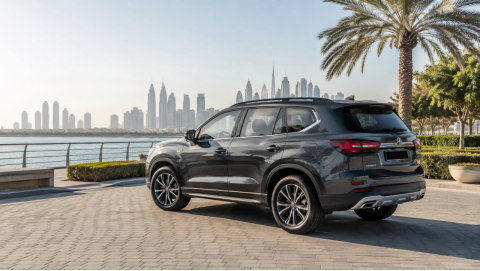
SUV Rental in Dubai: A Practical Vehicle Selection Guide
SUVs are often chosen for space, visibility and a more substantial driving position, but the category covers very different vehicles. A compact crossover for two travellers is not equivalent to a seven-seat model carrying a family and luggage. Choosing well requires a closer look at how the vehicle will actually be used.
When comparing SUV rental Dubai, define the passengers, bags, child seats, destinations and rental period before selecting a model. The most suitable SUV is the one that provides enough usable room and comfort without adding size or cost that the journey does not require.
SUV, Crossover and 4×4 Are Not Identical Terms
Rental listings may group compact crossovers, midsize SUVs, large seven-seat vehicles and four-wheel-drive models under a broad SUV label. Their seating, cargo capacity and mechanical capabilities can differ considerably. A higher body shape alone does not confirm off-road capability or a particular drivetrain.
Ask for the exact model or category specification when a feature matters. If the trip needs seven usable seats, all-wheel drive, a particular ground clearance or a defined luggage capacity, that requirement should be confirmed rather than inferred from the page title or vehicle appearance.
Count People and Bags at the Same Time
A vehicle advertised with seven seats may have limited luggage room when every seat is occupied. Families travelling with suitcases, pushchairs or sports equipment should evaluate the seating layout and cargo space together. Folding a third row can increase storage, but only if those seats are not required.
Create a simple load list before booking: number of adults, children, child seats, large cases and smaller bags. If airport collection is involved, plan for the maximum luggage carried on arrival rather than the lighter load expected during ordinary sightseeing.
Match the SUV Size to the Driving Environment
Compact SUVs can suit city driving, hotel parking and couples who want a little more space than a small car. Midsize SUVs may balance passenger comfort with manageable dimensions. Larger vehicles can support bigger groups and more luggage, but drivers should consider parking space, turning room and their confidence with the vehicle’s width.
A larger SUV is not automatically safer or more suitable. Tyre condition, driver attention, correct seating and responsible speed remain essential. Choose dimensions that solve the trip’s requirements while remaining comfortable for every approved driver to operate.
Do Not Assume Off-Road Use Is Permitted
Dubai imagery often associates SUVs with desert driving, yet ordinary rental agreements may restrict off-road use. Even a four-wheel-drive vehicle should not be taken onto sand, tracks or other non-public-road environments unless the provider has expressly permitted that use in writing.
If an off-road activity is planned, use an appropriate specialist operator or request clear contractual approval and safety guidance. Vehicle capability, insurance cover and permitted use are separate questions. Assumptions in this area can create safety risks and serious contractual consequences.
Compare Comfort and Practical Features
For longer journeys, seat support, rear air vents, cabin access and noise levels may matter more than exterior styling. Families should ask about child-seat compatibility and whether a requested child seat is available. Groups may value multiple charging points, flexible seating and easy access to the rear row.
Parking sensors, cameras and driver-assistance systems can be useful, but equipment varies between models and trims. Treat these as confirmed only when they are stated for the allocated vehicle. Drivers must still remain responsible for observation and control.
Review Mileage, Fuel and Rental Duration
SUV trips often include airport runs, attractions across the city or travel between emirates. Estimate the full distance and compare it with the mileage allowance. Ask how extra kilometres are charged and whether the allowance applies per day or across the complete rental period.
Fuel use can vary with vehicle size, engine, traffic, load and driving style, so avoid relying on a generic estimate. Compare daily, weekly and monthly quotations for the actual dates. A longer package should be judged by total terms, not assumed savings.
Check the Agreement Before Booking
The quotation should identify the vehicle category, rental dates, amount, mileage, deposit or authorisation requirement, insurance terms and excess. It should also explain fuel, Salik, traffic fines, cleaning, additional drivers, delivery or collection and late return. Any planned travel outside the normal operating area should be disclosed.
Quick Lease lists SUVs within its broader Dubai car rental fleet, allowing drivers to compare the category with smaller cars and crossovers. Current models, features and availability can change, so the final allocation and all essential conditions should be confirmed in writing.
An Eight-Point SUV Selection Checklist
- Count passengers, child seats and luggage together.
- Confirm whether every advertised seat is usable for the planned group.
- Choose compact, midsize or large dimensions around real needs.
- Verify any essential drivetrain, safety or comfort feature.
- Confirm permitted use and never assume desert driving is allowed.
- Estimate mileage for city, airport and inter-emirate journeys.
- Review insurance, excess, deposit, fuel and usage charges.
- Inspect the SUV and record its condition at handover.
The Right SUV Is the Right Fit
An SUV can be an excellent rental choice when it solves a genuine need for passenger space, luggage capacity or travel comfort. It becomes a weaker choice when selected only for appearance and the renter later discovers that its seating layout, dimensions or contract restrictions do not suit the journey.
A disciplined comparison keeps the decision simple: specify the load, select the appropriate size, verify critical features and read the agreement. That process produces a vehicle choice built around the trip rather than a label.
Back To Al Khaleej Center